Most safety glasses are sold as a one size fits all, but did you know that there are circumstances that may require a higher level of protection above safety glasses? Glasses only protect from direct forward impacts and splashes, any risk of other directional impacts requires goggles. The highest level of eye and face protection is the face shield, but these cannot be used alone they must be used with glasses or goggle.
And lastly, if you wear prescription glasses, look for OTG glasses or goggles that will fit snugly over your prescription glasses.
Incident Spotlight- Splashing Incidents due to Slipping Syringes
A recently published ACS study shows two incidents of chemicals splashing onto a lab workers face or eyes from the separation of syringe, causing the liquids to splash out due to the pressure. Since Safety Glasses are only meant to provide protection from frontal impacts, both instances caused eye exposure. Can you think of how the heierarchy of controls could have been used to predict these exposures? What other control measures could have been used before the eyewear was relied on?
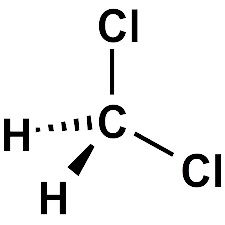
In May of this year, the Environmental Protection Agency (EPA) listed Methylene Chloride (or Dichloromethane, or DCM) as a hazardous substance under the Toxic Substances Control Act (TSCA). This listing imposed a ban on DCM in commercial and store-bought products, such as paint thinners, in every state in the US.
This TSCA listing allows for continued use of DCM in research and laboratory settings, but with major restrictions. If continued use of DCM is to remain in your research, you will be subject to a Workplace Chemical Protection Program (WCPP). You can avoid the WCPP requirement by eliminating or replacing the use of DCM in your laboratory. Some alternatives to DCM in chromatography can be found here.
Contact EHS for additional information or guidance on this new regulatory update to your lab space.
Happy Holidays!
We hope everyone enjoys their winter break! Get some rest and enjoy time with friends and family.
There will be no January newsletter.